
Linking Soil Physicochemical Characteristics to Taxonomic Classification across Lebak Swamp Typologies in South Sumatra
Article Sidebar
-
Soil taxonomy, typology, lebak, soil physicochemical, agricultural potential
Abstract
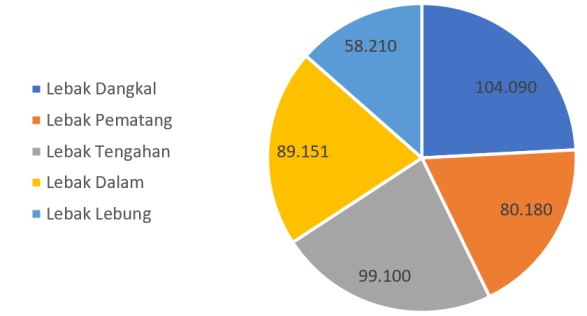
Lebak swamp areas in South Sumatra represent a strategic land resource for agricultural development and food security; however, their utilization remains constrained by variability in soil characteristics and hydrological conditions. This study aims to analyze soil physicochemical characteristics, classify soils based on Soil Taxonomy, and examine the relationship between soil taxonomy and lebak swamp typologies. The research was conducted through field surveys, soil profile description, soil sampling, and laboratory analyses. The results indicate that the total area of lebak swamp reaches approximately ±430,731 ha, which can be classified into five main typologies: shallow lebak, levee (pematang), middle lebak, deep lebak, and lebung. The soils are generally characterized by acidic conditions (pH 3.5-5.5), high organic carbon content (2.5-8.0%), moderate to high total nitrogen, and low available phosphorus (5-15 ppm). Based on Soil Taxonomy, the soils are classified into Entisols, Inceptisols, Histosols, and partly Gelisols, with distinct distributions across lebak typologies. Deep lebak and lebung areas are predominantly occupied by organic soils (Histosols), whereas shallow lebak and levee areas are dominated by young mineral soils (Entisols and Inceptisols). These findings demonstrate a clear relationship between hydrological typology and soil development, which can serve as a basis for zoning and sustainable management of lebak swamp land, particularly in determining suitable crops and soil amelioration strategies.
Full text article
Authors
Authors retain copyright and grant the Journal of Smart Agriculture and Environmental Technology (JOSAET) the right of first publication. Articles published in JOSAET are licensed under the Creative Commons Attribution 4.0 International License (CC BY 4.0), which permits use, sharing, adaptation, distribution, and reproduction in any medium or format, provided that appropriate credit is given to the original author(s) and the source, a link to the license is provided, and any changes made are indicated.